


Category: Flowers
-
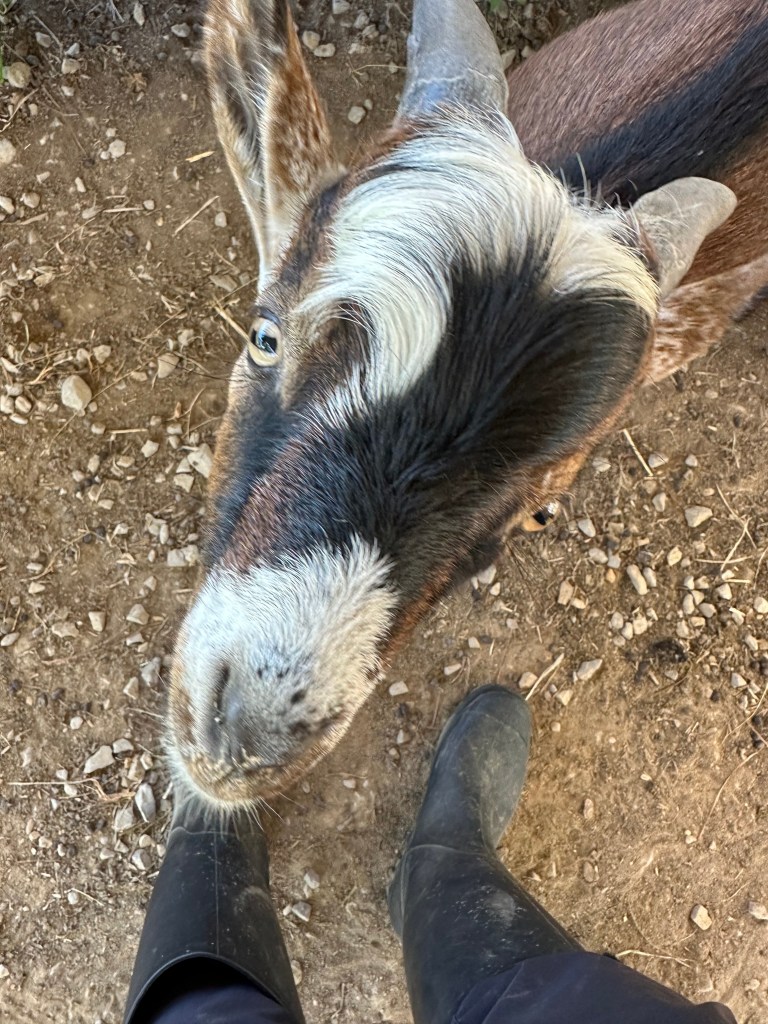
Pear Blossoms, Pygmy goats love hay
The pear tree is blossoming. This tree may be confused because pears are supposed to lose their leaves in the winter and blossom in the spring with fruit developing in the summer to early winter. With the hot summer and drought, there is no telling what to expect. Our goats love hay. This is a…
-
Rain, Rain, Beautiful Rain
Tsunami loves to climb. This talent came in handy in avoiding wet feet yesterday. Yesterday, the farm received the blessing of an “all day rain”. The plants definitely appreciated the slow rain and the animals will appreciate the the rejuvenated plants. The garlic we planted has sprouted. It will be a long time before garlic…
-
Pear tree blooming, watermelon on the vines, the Audubon Aquarium, and family pictures from New Orleans, BR, Tennessee, DC, and Wisconsin.
The pear tree has blossoms. The pear tree looks healthy for now and hopefully it will continue to thrive. The watermelon plants that are located outside of the goat yard have many different size melons. If the deer do not descend upon the vines, we may just harvest a watermelon in a few weeks. The…
-
Beautiful Weeds, Visitors (wanted and unwanted), Deer, Turkey, Family Pictures!
The white flowers below are known as Late boneset, a species of Bonesets (Eupatorium). Other names are Lateflowering thoroughwort, Fall Boneset, and Late eupatorium. This plant is classified as a weed. The plant type is HERB (although I am yet to find a use for it, other than it may help our bees since it…
-
Shocking the pond, Watermelon, and Fishing
In managing a bass pond, it is necessary to know what type of fish are present, as well as the size and weight of these fish. This process does not count the actual fish, but rather a sample of the fish are measured and weighed. The sampling information is used to estimate the numbers, species,…
-
Dahlia, Hummingbirds, and Melons
The Dahlias have started blooming again now that the cooler weather is here. By cooler weather, we mean high 80’s and low 90’s during the day. Bruce took some slow motion and real-time videos of the hummingbirds at the farm. The hummingbirds are going through 32 cups of nectar a day- that is 8 cups…
-
Mushrooms, Moths, Butterflies, Watermelon, Zinnias, and Bats
Scientific Tip: Just because it grows in your garden, doesn’t mean it is eatable! Below is a mushroom that was growing under the blackberries in the garden. The mushrooms below are in the family of Argaricaceae (gilled mushrooms). This family has many edible and deadly poisonous mushrooms. NEVER eat or touch a wild mushroom unless…
-
Bee Feeders, Cantaloupe, Honeydew, Jerusalem Artichokes, and Volunteering
The bees have found the bee feeder. (This bee feeder has 1 C sugar to 2C water). We moved this bee feeder away from the back porch and that has definitely helped on “bee traffic”. The Tea Tree Oil remedy on the Hummingbird feeders is definitely dose and time related. After a few hours, the…
-
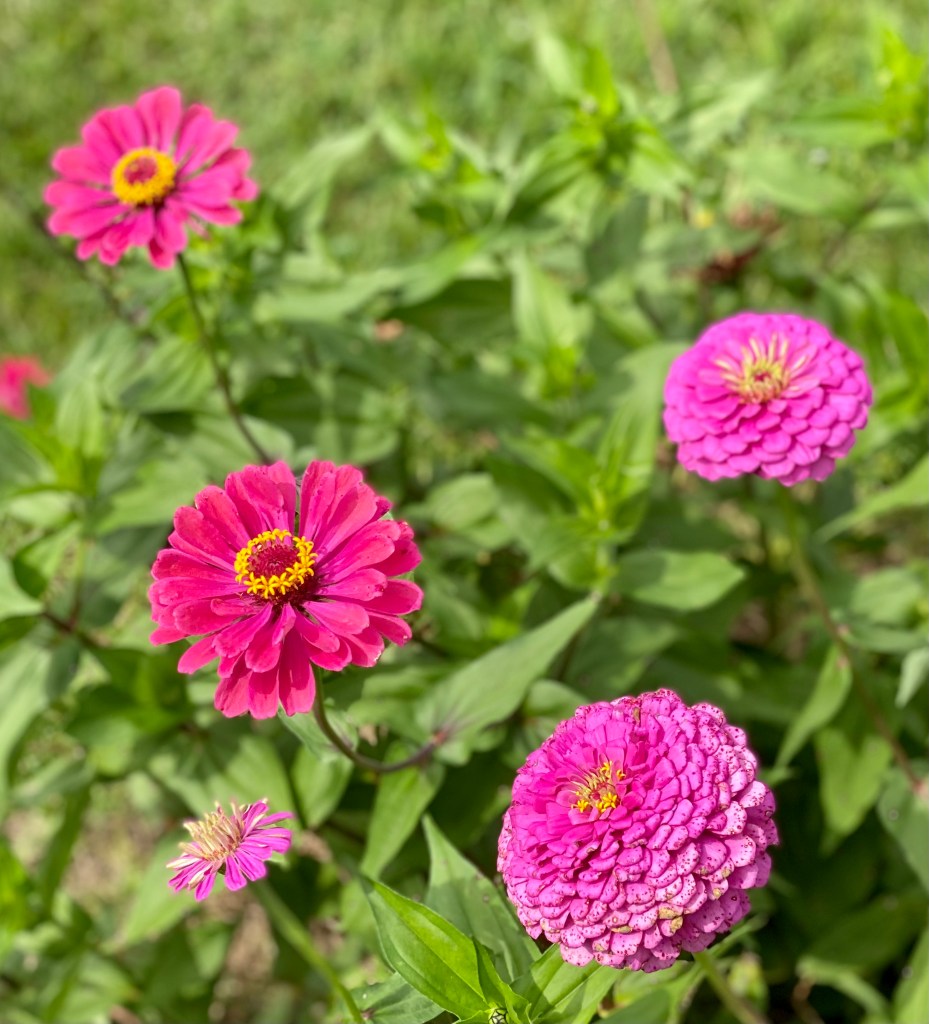
What is a proboscis in insects? Zinnias, Water leak, goats, and family pictures.
Science Tip: Proboscis: Think of a straw! In certain insects, a proboscis is a mouthpart that is tubular and flexible used for feeding and sucking. Moths, butterflies, and mosquitoes all have proboscis. In the picture below, the butterfly’s proboscis is bent at a right angle just below its antennae. Look at the video below. The…
-
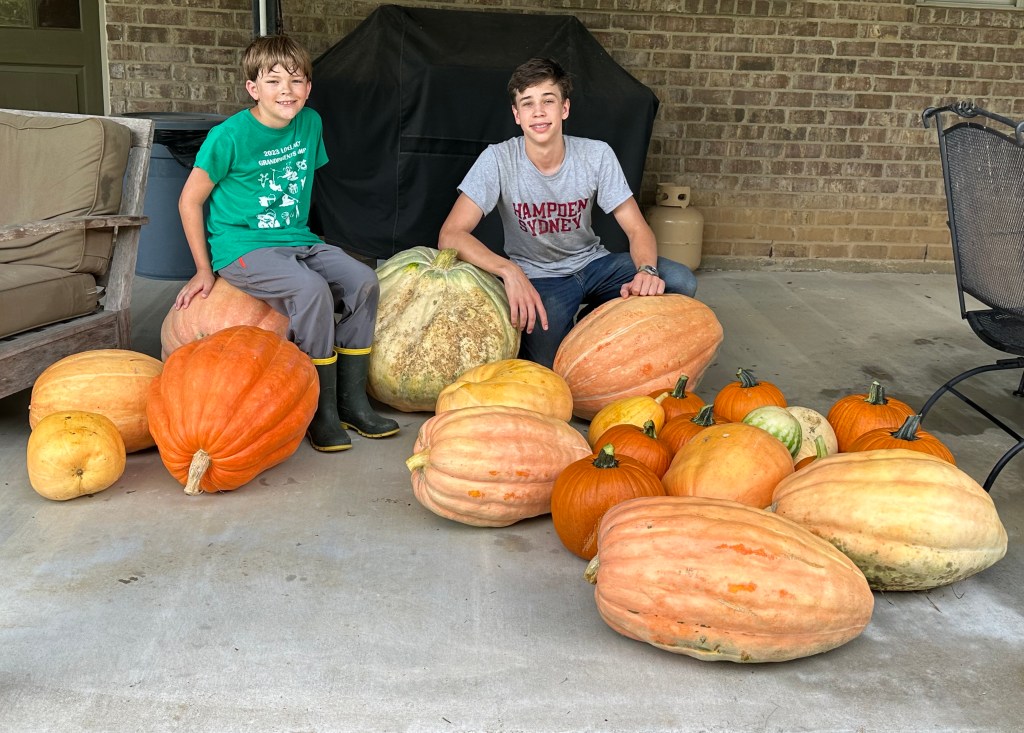
Bees, Problem plants, Zinnias, and Pumpkins
The bees and wasp have made it very uncomfortable to sit on the porch. We had bee feeders, but the there are so many bees and wasp that it is impossible to stay out of their way. We ordered more bee feeders and have decided to move these to the fence. Hopefully, the bees will…