


Category: Butterflies and Bees
-
Our first Apples and Pears, Butterflies and Birds
Our first apples have appeared. They do not look terribly appetizing with the spots. We have called the tree company and are waiting for the horticulture expert to call us back. If you look closely, we also have a white fly infestation. We will be spraying NEEME oil this week now that the rain has…
-
Grandparents’ Camp Part V
The New Orleans Insectarium and the Aquarium are a ‘must visit’ every year. Below: To earn a hand-stamp at the Insectarium, you have to eat a bug. In addition to the cookies with bugs, there are several favors of bugs to try. Except for Oryne, our crew was eager to sample all flavors. But the…
-
Golden Rod, Bees, and a Science and Safety TIP.
Below are pictures of Golden Rod. Although this plant is not necessarily a favorite of people with allergies, it is a blessing for the bees this year. Due to the drought, the bees are having a very hard time surviving. Just as we had to feed the bees to get them off of the hummingbird…
-
Dahlia, Hummingbirds, and Melons
The Dahlias have started blooming again now that the cooler weather is here. By cooler weather, we mean high 80’s and low 90’s during the day. Bruce took some slow motion and real-time videos of the hummingbirds at the farm. The hummingbirds are going through 32 cups of nectar a day- that is 8 cups…
-
It takes time to recover from a drought!
What problems are caused by a prolonged summer drought? Well, unless someone is adding water to the lakes, there is a definite drop in the water levels due to evaporation of the water. Science TIP: There are three states of matter: Solid state, liquid state, and gas state. Evaporation is the changing of a liquid…
-
Mushrooms, Moths, Butterflies, Watermelon, Zinnias, and Bats
Scientific Tip: Just because it grows in your garden, doesn’t mean it is eatable! Below is a mushroom that was growing under the blackberries in the garden. The mushrooms below are in the family of Argaricaceae (gilled mushrooms). This family has many edible and deadly poisonous mushrooms. NEVER eat or touch a wild mushroom unless…
-
Bee Feeders, Cantaloupe, Honeydew, Jerusalem Artichokes, and Volunteering
The bees have found the bee feeder. (This bee feeder has 1 C sugar to 2C water). We moved this bee feeder away from the back porch and that has definitely helped on “bee traffic”. The Tea Tree Oil remedy on the Hummingbird feeders is definitely dose and time related. After a few hours, the…
-
A solution that works on bees! (Well Maybe) and an insect that uses camouflage.
You have witnessed our bee problem on the hummingbird feeders. Now look at the solution we found on the internet. Below is a video of Bruce painting the Tea Tree Oil on the feeders. Notice how the bees now avoid the feeders. However, the TEA TREE OIL may be “dose related” because the video below…
-
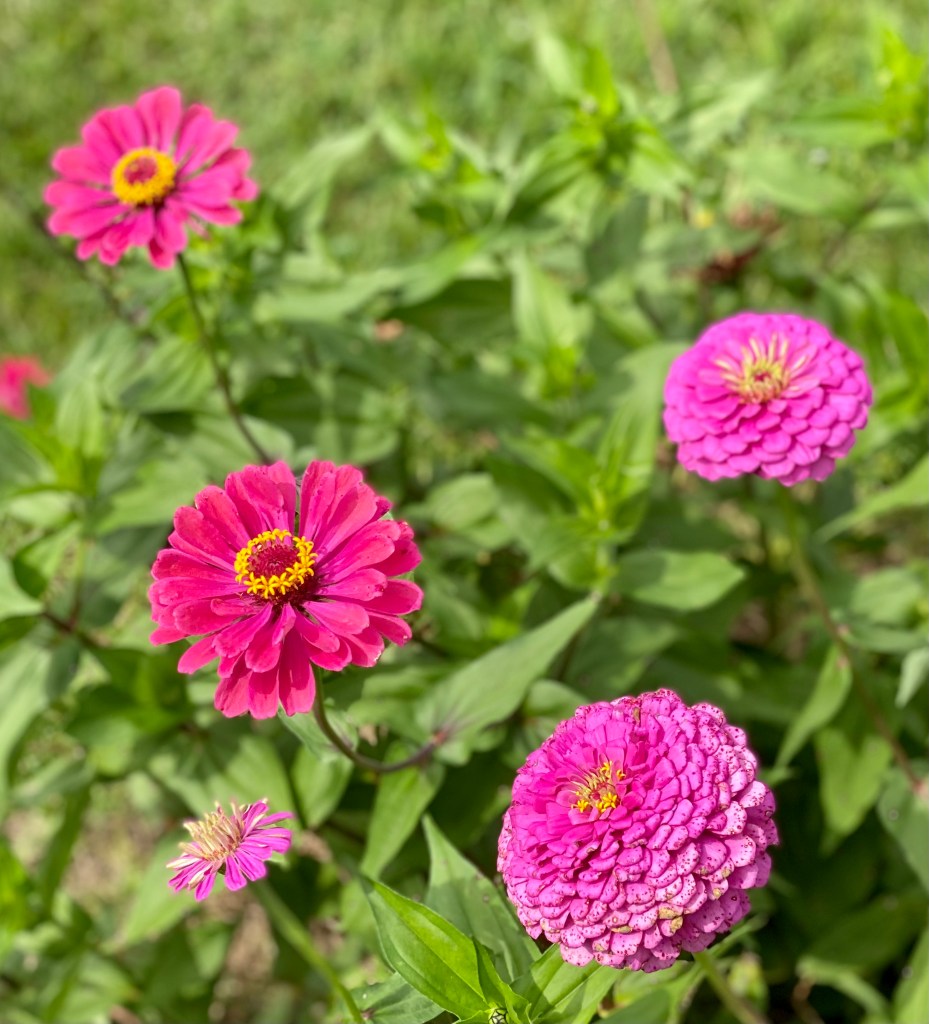
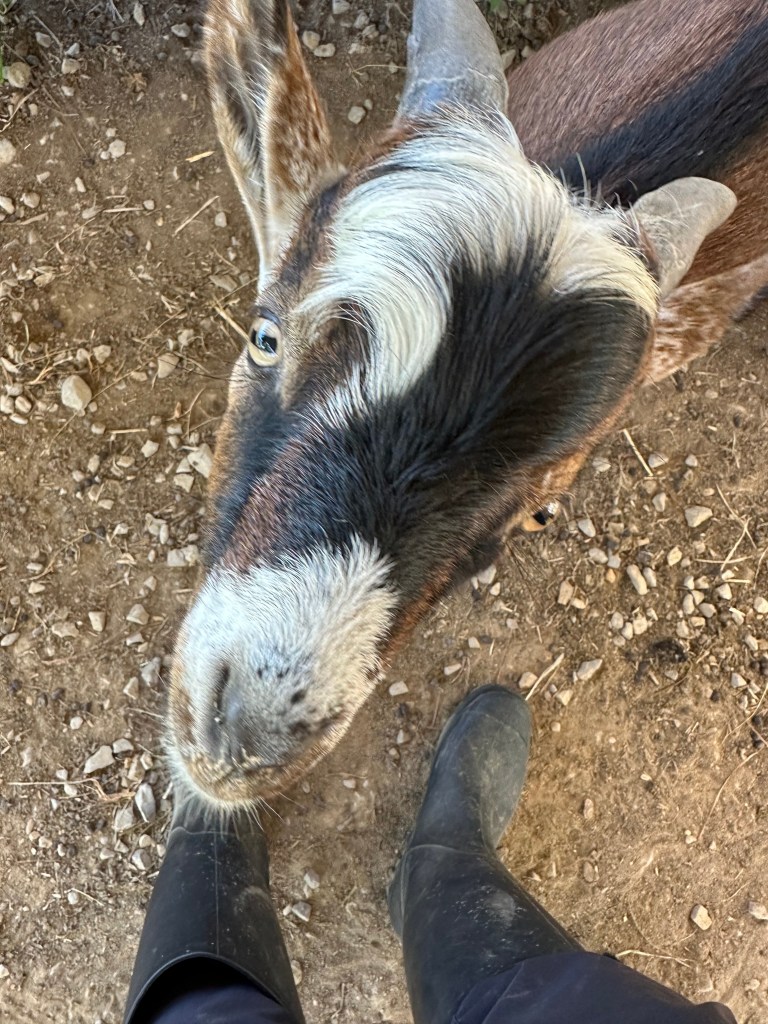
What is a proboscis in insects? Zinnias, Water leak, goats, and family pictures.
Science Tip: Proboscis: Think of a straw! In certain insects, a proboscis is a mouthpart that is tubular and flexible used for feeding and sucking. Moths, butterflies, and mosquitoes all have proboscis. In the picture below, the butterfly’s proboscis is bent at a right angle just below its antennae. Look at the video below. The…
-
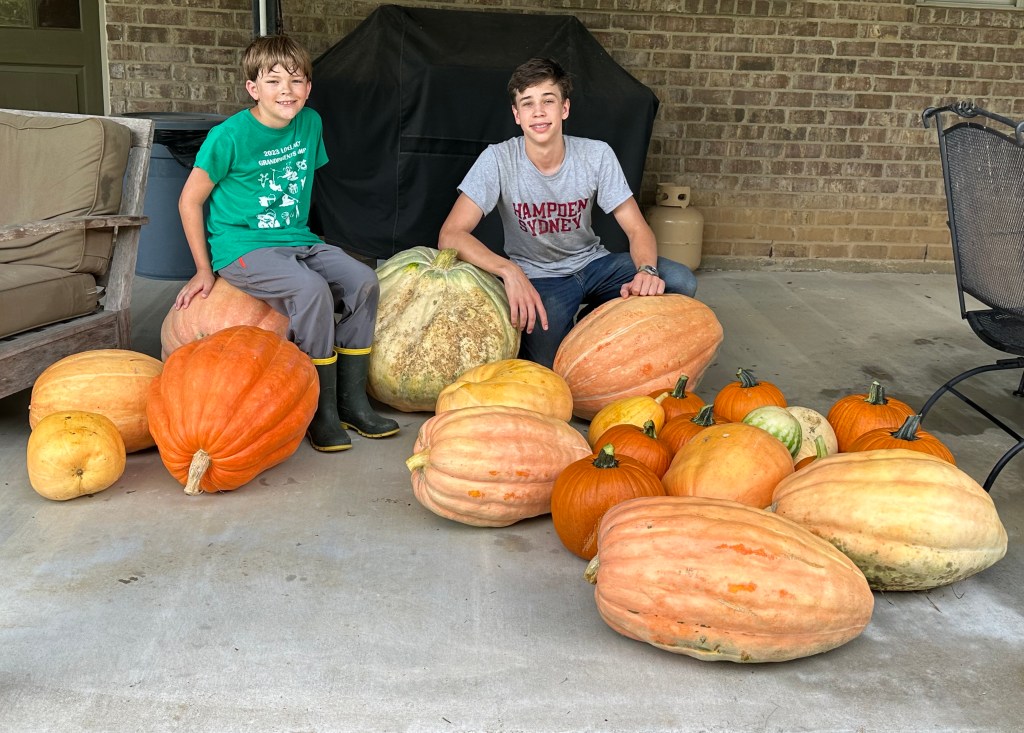
Bees, Problem plants, Zinnias, and Pumpkins
The bees and wasp have made it very uncomfortable to sit on the porch. We had bee feeders, but the there are so many bees and wasp that it is impossible to stay out of their way. We ordered more bee feeders and have decided to move these to the fence. Hopefully, the bees will…