


The bees and wasp have made it very uncomfortable to sit on the porch.
We had bee feeders, but the there are so many bees and wasp that it is impossible to stay out of their way. We ordered more bee feeders and have decided to move these to the fence. Hopefully, the bees will find these and leave the porch. These bee feeders are filled with 1 part sugar and 2 parts water in an effort to get the bees to leave the syrup that is 1 part sugar and 4 parts water to the hummingbirds.


Science Note: Invasive species: An invasive species is any species that has been moved from one location to a new location. The major problem with invasive species is if the new location lacks a predator for the new species. For example, Italy is now having problems with the blue crab (which we love catching in the Gulf). The blue crab does not have any natural enemies in this new location. Consequently, the numbers of blue crab have exploded in the warm waters surrounding Italy and the crabs are playing havoc on some of the native species there.
Plants can also be an “invasive species”. The water hyacinth is a plant that someone brought over from France. This plant is so prolific that it can block waterways. Below is a picture of the lakes in Baton Rouge. What looks like a lush green field is actually a lake completely covered in water hyacinth. Luckily, they are currently dredging this lake and will have the equipment to mechanically remove these plants. It will take some additional attention to get the numbers down, because the reproduction system of water hyacinth is remarkably resilient.


Below is the cypress vine which was were thrilled to plant on our fence. However, like the water hyacinth, the cypress vine is also a tenacious plant. It grew from wispy little plants to a hedge that we have to trim every four days to keep it off of the blueberry bushes. The cypress vine has also dropped seeds that have sprouted. The vine you see now is the result of planting 50 seeds. We now see hundreds of new plants from seeds at the base of the fence. This plant may not be an invasive species, but take care if you plant it because it can easily get out of hand and become a problem.


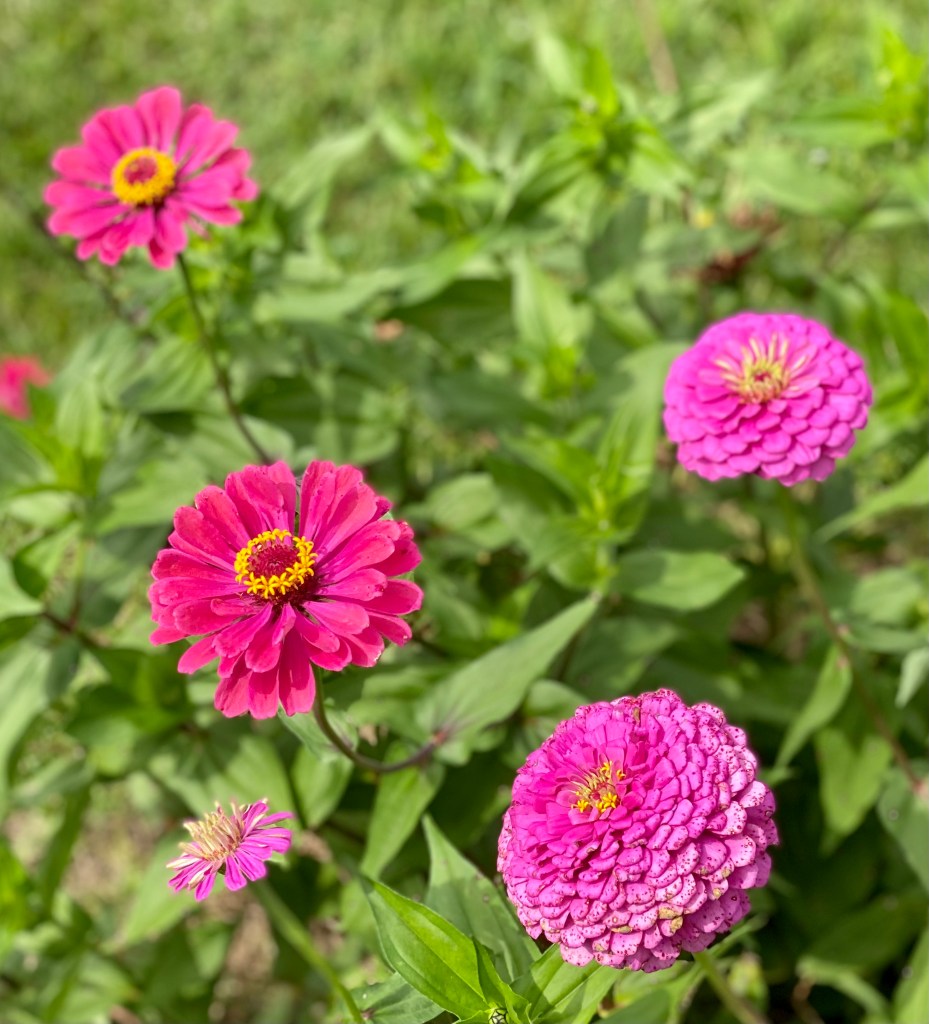
Below: The deer ate the Zinnias on the left of the mailbox as well as some out of the flowerbed. With the drought, the deer were very hungry and ignored the deer repellent we had sprayed. Hopefully, they will find other plants to eat now that the rains have started. We replanted the left side this morning.


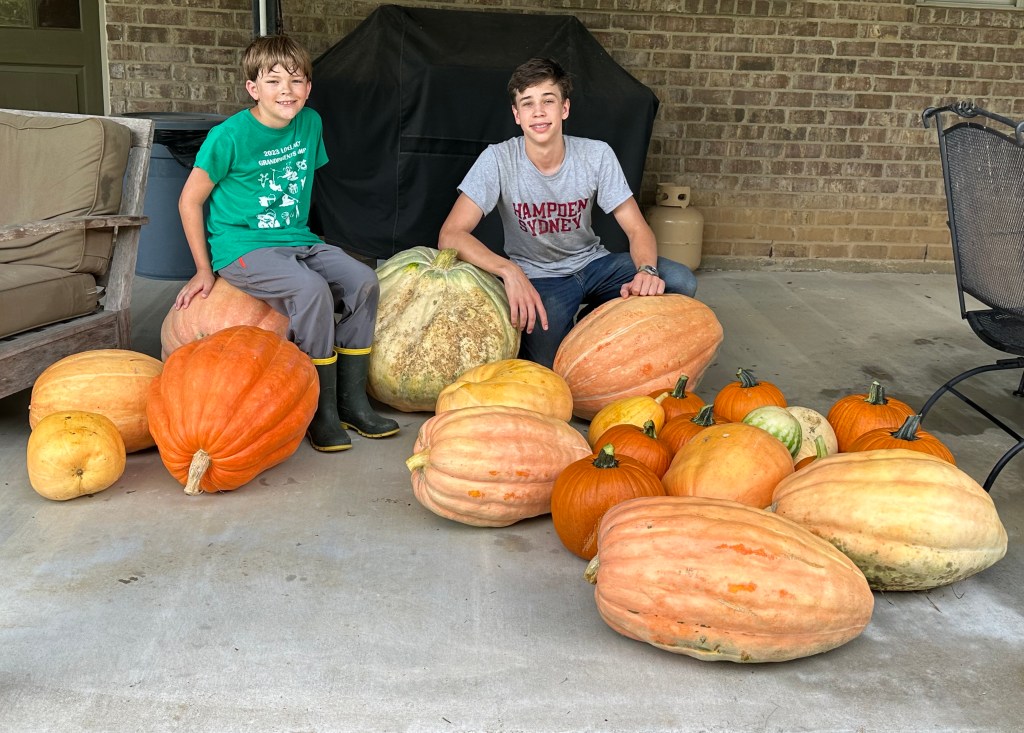
Despite the deer eating the pumpkin plants, we are still finding pumpkins under the leaves. So we should have a few more pumpkins in a week or two.


If you like this blog, please tell a friend or classmate. We would also appreciate your letting us know! CCPygmygoats.com