


There was an Absolutely beautiful sunset on August 2nd!

The five videos below are very short clips of the bats flying around the lake at the farm. The bats are small and move very quickly, so they are difficult to film. The bats that visit the farm are Mexican Free-Tailed bats. This bat is a medium-size bat that is native to America. (Science TIP) This bat’s tail is almost half its total length and is not attached to the membranous part of the body between the hind legs (uropatagium). The Mexican Free-tailed bat is said to have the fastest horizontal speed of any animal (reaching speeds over 99 mph.) It also flies the highest of all bats reaching altitudes of 10,800 feet. Now you understand the difficulty in filming these bats! Enjoy the brief videos below.
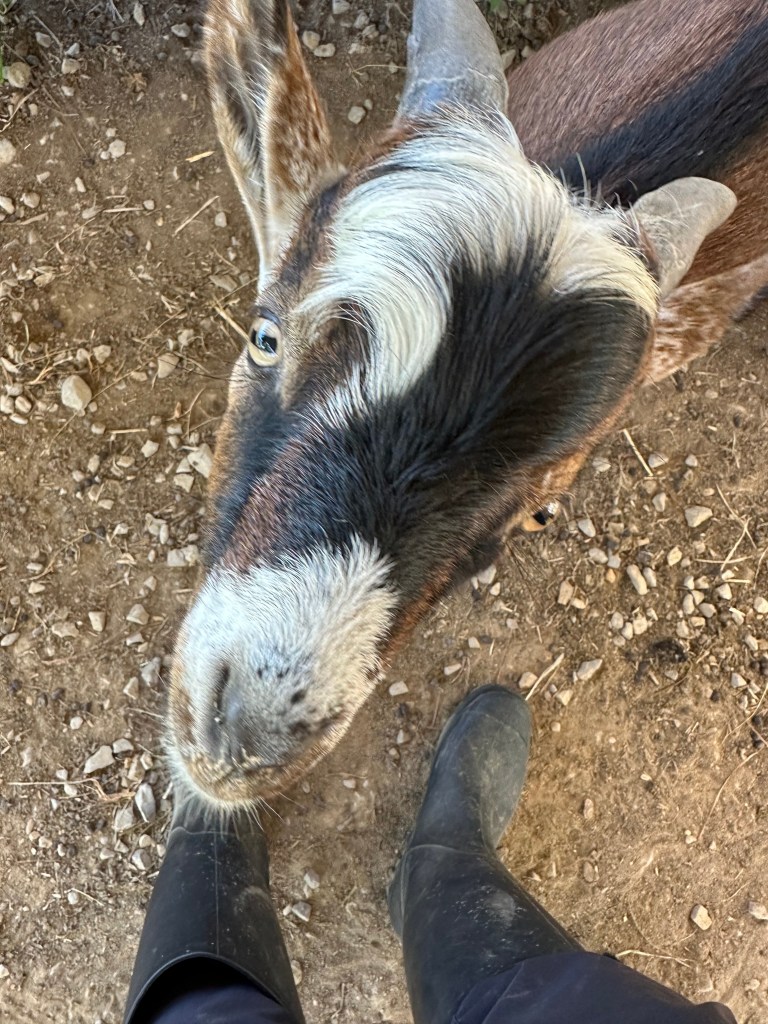
The goats (below) love corn, but too much of an anything is not good for them. The goats follow the buggy because they know Bruce has corn in a bucket and will give them a “treat” when he passes through their yard. Bruce actually throws the corn to get the goats away from the vehicle so that he does not run over them. Did I mention that goats are not very smart and have no appreciation for what it means to be “run over”?


Three videos below: The goats below are not caught in the fence like poor Fool was caught last week. The goats actually love to rub against chicken wire and have made a mess of a temporary fence we constructed to keep them out of the pumpkins, raspberries, and blackberries. We repaired this fence after these videos were taken, but I am sure the goats will find a way to continue their back rubs.
The picture below is the play yard for the goats. The goats love the large concrete pipe and concrete steps. Now, scroll down to the next image which was taken at night.

Below is the same area of the goat yard as pictured above, but this picture was taken with thermal binoculars at night. Note that the goats are sitting on the pipe and the top steps. The thermal scope picks up heat. The heads of the goats emit the most heat and their bodies give off a yellow glow. The bottom left of the pipe is glowing red because it still retains the heat from the daytime sun. Under the house, you see a yellow glow because the earth under the house still retains more heat from the daytime sun than the ground around the goat house. Now that we know how to obtain the pictures from the binoculars, we will share more infrared images from the farm in the future.
Cypress Vine below: The Cypress Vine is a species of Morning Glory (lpomoea) The flowers are star-shaped. The plant likes heat, but not cold. The deer do not like this vine, but the hummingbirds love it for the nectar. This plant is toxic like its cousin, the Morning Glory. If you look at the videos below you will see a yellow butterfly. This yellow butterfly (Phoebis or Sulphurs-because of the yellow or yellow-orange colors) is a genus of butterflies belonging to the family Pieridae. This butterfly is native to America. It is also attracted to the Cypress vine flowers for the nectar. This butterfly is the only type of butterfly around these plants that we saw today. I visited Jackie this morning, and this same species of yellow butterfly was also on her cypress vines. I wonder if we will see the caterpillars of this butterfly species on these plants soon or if the plant is just a source of nectar. I will let you know what we find.


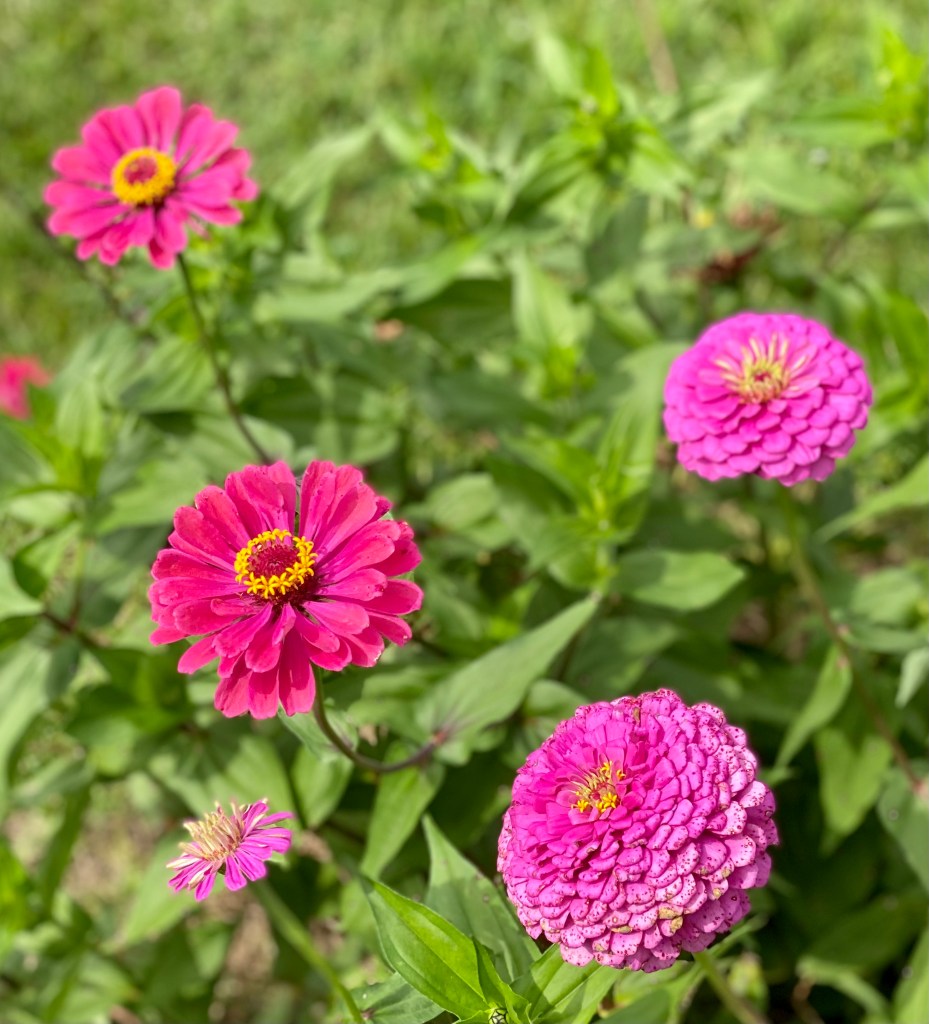
Seeds (below): The first two pictures are the pumpkin seeds that sprouted in the pumpkin. We put them in water last night until we planted them this morning. The amount of growth doubled overnight. Pictures 3 and 4 are the Zinnias from the front garden that we are drying. The last two pictures are the seeds from our last Zinnia harvest. Obviously there are more seeds than we could plant at this farm.


